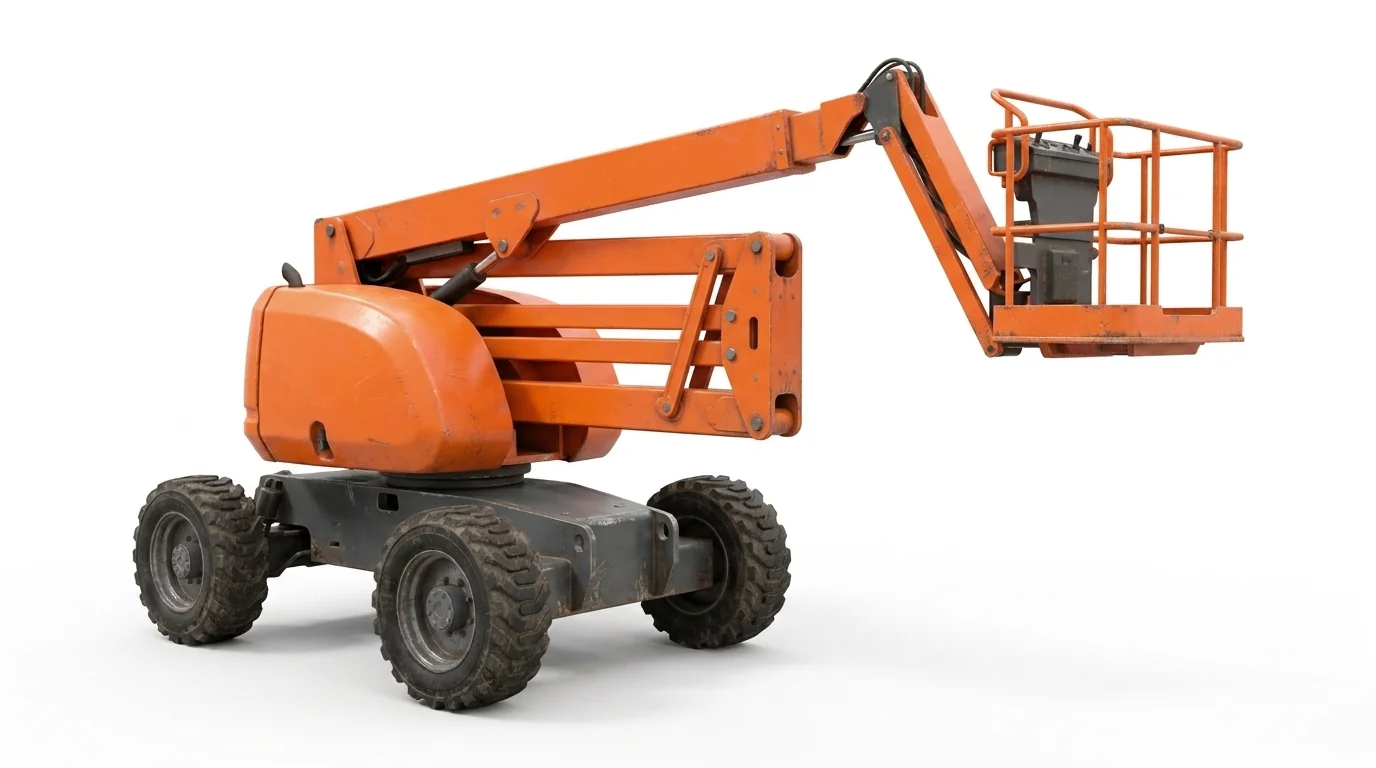
When an articulating boom is the right geometry
Choose an articulating boom path when the work head must snake over or around an obstacle rather than travel in a straight line. The typical decision points:
- Can the machine sit below the task and reach over a parapet or canopy without repositioning through soft or finished surfaces?
- Is there a need to approach from inside a courtyard, between columns, or under pipe racks where swing clearance is limited?
- Does the job involve multiple heights and offsets in one setup, like tracing conduit or ductwork across a ceiling?
If access is clean and direct, a straight boom may cover more horizontal distance. For confined, obstacle-rich zones, articulating joints reduce repositioning and floor loading. See related options at /telescopic-boom-lift-rental/ and /boom-lift-rental/.
Local Pensacola conditions that change the comparison
- Salt-laden air and high humidity: Exterior work near the water can accelerate corrosion on exposed components. Plan for machines with sealed electricals and routine washdowns at the yard level; ask about units designated for coastal use when scheduling.
- Storm cycles and high-impact rain: Outdoor inspections after a front moves through often mean slick concrete, standing water, or windbreak-induced gusts. Actual site conditions, the selected unit’s instructions, and your site procedures govern whether work proceeds.
- Sandy and uneven ground: If the base must sit on shell or soft soil, rough-terrain configurations with four-wheel drive and wider tires help maintain stability without rutting.
Narrowing specs for indoor vs. outdoor Pensacola tasks
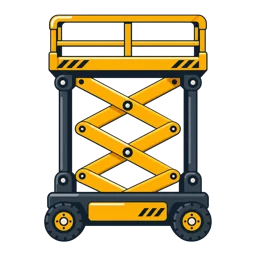
- Indoor healthcare and manufacturing maintenance: Look at compact, electric articulating models with non-marking tires and zero-emission operation. Check door widths, floor ratings, and turning radius. Compare with /vertical-mast-lift-rental/ or /electric-scissor-lift-rental/ for straight-up tasks.
- Aviation and industrial sites: For fuselage, tailplane, or mezzanine maintenance, prioritize precise jib articulation, platform capacity for tools, and smooth proportional controls. Outdoor apron work may require rough-terrain packages.
- Mixed-use campuses and exterior envelopes: For glazing, signage, and canopy lighting, balance platform height with horizontal outreach and consider oscillating axles for curbs and drainage swales.
Key measurements to confirm before booking
- Maximum platform height and up-and-over clearance relative to the obstacle edge
- Horizontal outreach at working height, not just at full elevation
- Platform capacity for workers and tools, and any restricted-envelopes on the chart
- Chassis width, inside turning radius, and tail swing where aisles or equipment line the approach
- Ground conditions along the path to the setup point, including slopes, grates, and soft spots
Link to related categories: - /telescopic-boom-lift-rental/ - /aerial-lift-rental/ - /rough-terrain-scissor-lift-rental/