Start with the reach problem
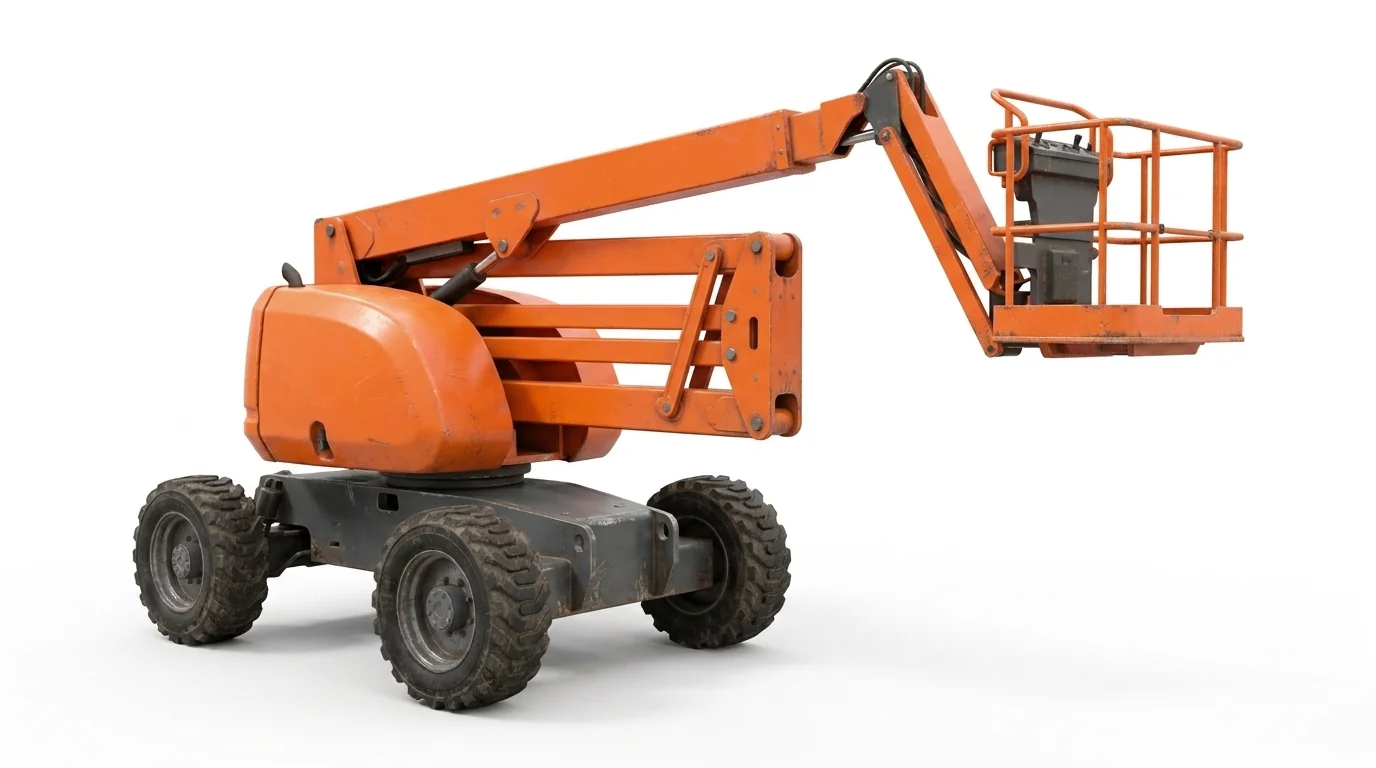
- Is the work behind an overhang, pipe rack, or façade element? Articulating booms position up-and-over around obstacles.
- Is the task far but unobstructed across an open yard? Telescopic booms deliver long straight reach with fewer joints.
- Confirm available swing room and overhead conflicts such as lines or signage.
Pensacola site and climate considerations
Coastal humidity and salt air favor booms with protected electrics and corrosion-resistant finishes. Outdoor work often follows heavy rain, so sandy soils and soft shoulders argue for rough-terrain axles and aggressive tires. Elevated exterior work is governed by actual conditions, the unit’s instructions, and site procedures.
Height, capacity, and footprint
- Height and outreach set the class. Longer booms typically require larger footprints and wider access paths.
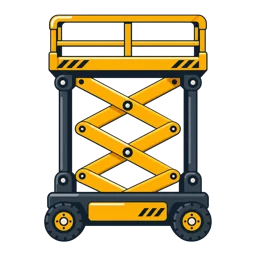
- Platform capacity varies by model; materials handling at height may push you toward a scissor lift with a wider deck on /rough-terrain-scissor-lift-rental/ if straight-up work dominates.
- Transport and setup space: Trailers, gates, and curbs must accommodate machine width and tail swing.
Articulating vs. telescopic in local applications
- Articulating: Favored for maintenance around complex roofs, mezzanines, and equipment clusters.
- Telescopic: Useful across open industrial yards, airfield-adjacent spaces, and waterfront projects with broad approach lanes.
Alternatives when vertical work dominates
If the machine can sit directly below the task and carry more materials, a scissor platform may be more efficient. Compare /electric-scissor-lift-rental/ for interiors and /rough-terrain-scissor-lift-rental/ for exterior decks.
Planning details to collect
Required working height and outreach, site access widths, ground type after rain, and any corrosion exposure expected near open bays or waterfront edges.