When a straight boom fits the job
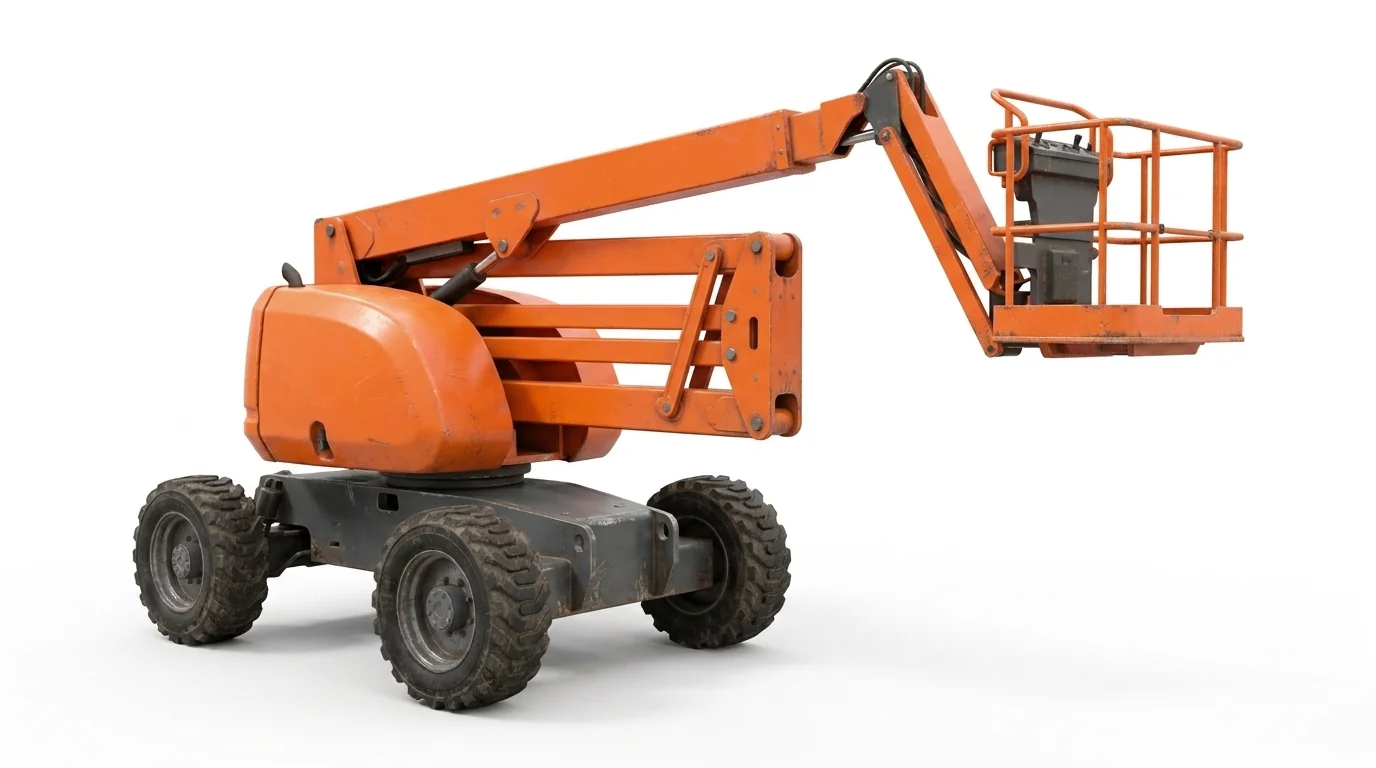
Use a telescopic boom when the platform can point directly at the work without needing to snake over an obstacle. Typical scenarios include facade repairs on open setbacks, lighting over parking lots, and exterior mechanical work where staging room is available. If the approach is obstructed, consider /articulating-boom-lift-rental/ instead.
Local conditions that influence selection
- Sandy subgrades and coastal fill: Open lots and staging areas may look level yet carry hidden soft spots. Compare four-wheel drive, oscillating axles, and wider tires to limit sink-in and maintain approach angles.
- Salt air and humidity: Exterior exposure can accelerate wear on pins, chains, and electricals. Coastal-ready units with protective treatments are advantageous for recurring sea-breeze exposure.
- Stormy intervals: After heavy rain, expect pooled water and slick surfaces. Whether operations proceed depends on actual conditions, the selected unit’s instructions, and site procedures. Longer booms magnify wind considerations; review the machine chart for restricted envelopes.
Spec priorities for Pensacola sites
- Horizontal outreach at working height: Long reaches to signs, louvers, or wall panels often matter more than maximum tip height.
- Platform capacity vs. attachment weight: Tool loads and materials may limit envelope range; confirm the chart for your planned configuration.
- Chassis width and wheelbase: Ensure gate, apron, and laydown area dimensions accommodate transport and swing clearance.
- Gradeability and steering modes: Useful on uneven jobsite approaches and drainage swales common after storms.
Comparing alternatives
- Need to reach around canopies or equipment? See /articulating-boom-lift-rental/.
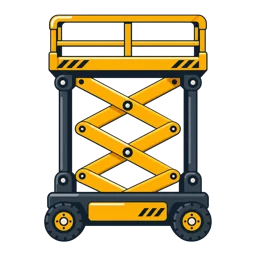
- Work is mainly vertical indoors? /electric-scissor-lift-rental/ or /vertical-mast-lift-rental/ might fit the geometry and floor loading.
- Mixed exterior tasks with multiple trades? See /boom-lift-rental/ for an overview of aerial categories.