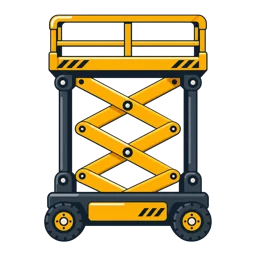
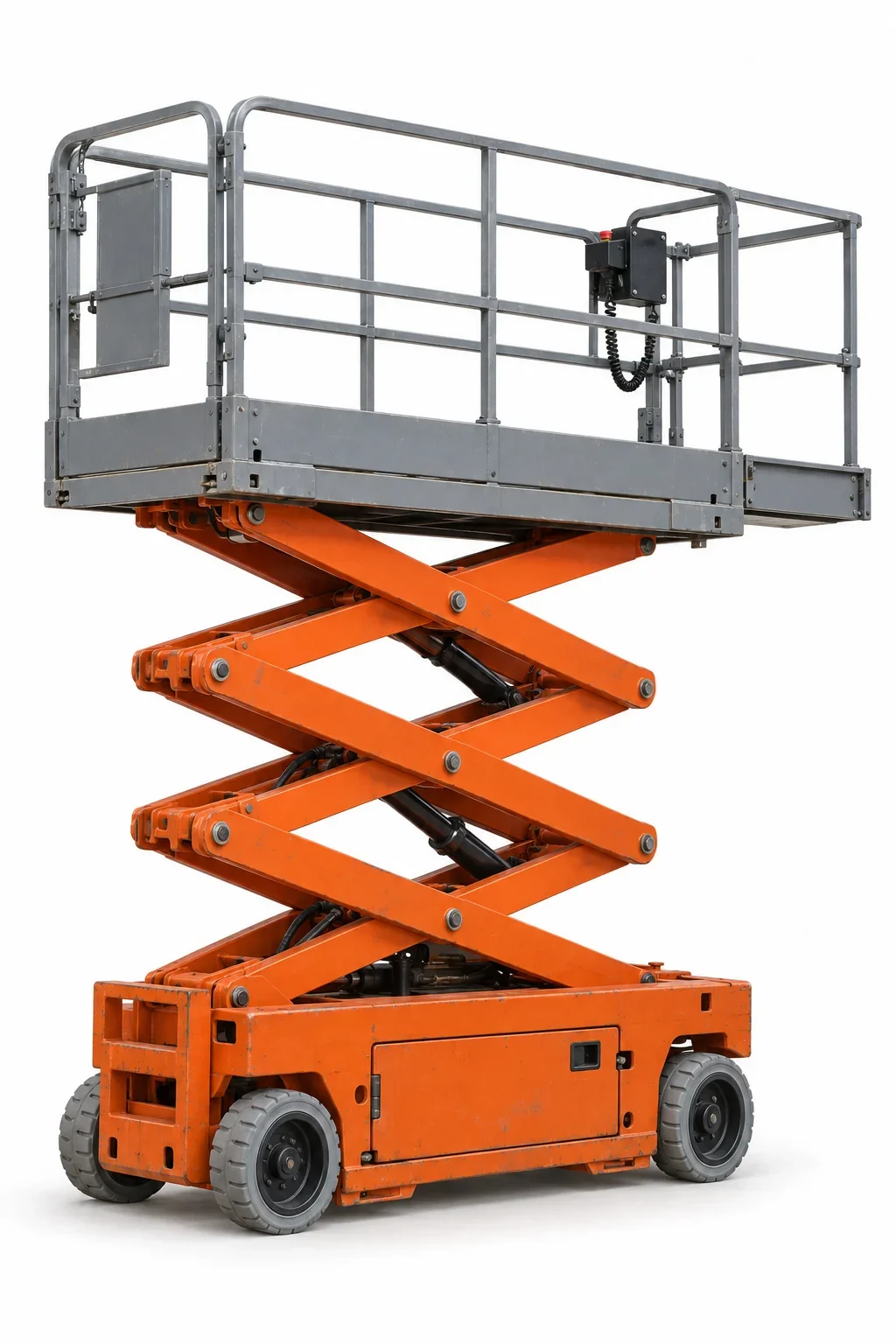
Match the platform to the ground
- Can the machine sit below the task with no horizontal offset? Scissor lifts provide vertical access; for up-and-over work around obstacles, compare options on /boom-lift-rental/.
- Ground condition after rain: Sandy soils and storm runoff can undermine support. Wider stance and four-wheel drive improve performance on soft surfaces.
- Approach and clearance: Curb cuts, jobsite ruts, and temporary ramps favor machines with higher ground clearance and robust tires.
Pensacola’s coastal impact
Salt-laden air and frequent downpours challenge exposed components. Look for models with protected electrics, galvanized or coated structures, and weather-resistant controls. During storm season, rapid assessment work around roofs, façades, and signage benefits from large platforms and stabilizing features, subject to site procedures and the unit’s instructions.
Power, tires, and capacity
- Diesel or hybrid power provides torque for grades and muddy approaches.
- Foam-filled or air-filled rough-terrain tires improve flotation on sand compared to small slab wheels.
- Larger platforms carry materials for siding, steel, or MEP work, but confirm posted weight limits on unfinished decks.
Typical local use cases
- Exterior maintenance at industrial sites with wind-driven salt spray.
- Sitework and structural inspections after heavy rain.
- Airfield-adjacent projects where expansive paved areas transition to sandy shoulders.
When a different aerial lift fits better
If the task sits behind awnings, pipe racks, or canopy edges, a straight-up platform may not reach. See /aerial-lift-rental/ and /boom-lift-rental/ for articulating or telescopic alternatives.
Planning inputs to collect
Working height, expected load on the deck, soil or base type, slope near the work zone, and any travel distance across sand or aggregate. These factors narrow tire style, power source, and platform width for Pensacola jobsites.