Fit the lift to the building
- Entry geometry: Confirm door width, height, and any ramp or threshold. Compact slab models pass through standard openings and fit common freight elevators.
- Aisle and turning: Measure clear aisle width and minimum turn radius around racking or equipment lines.
- Floor capacity: Polished concrete and mezzanines often have posted limits. Weight and point load vary by model and platform height.
Why Pensacola conditions affect indoor choices
Even inside, salt air and humidity drift from loading areas and open bays. Look for sealed connectors, protected control boxes, and rust-inhibiting finishes. Non-marking tires prevent streaking on epoxy floors common in local commercial facilities.
Platform height and deck space
- Low to mid-height models: suited to lighting, sprinkler, and ceiling tile work in offices and retail buildouts.
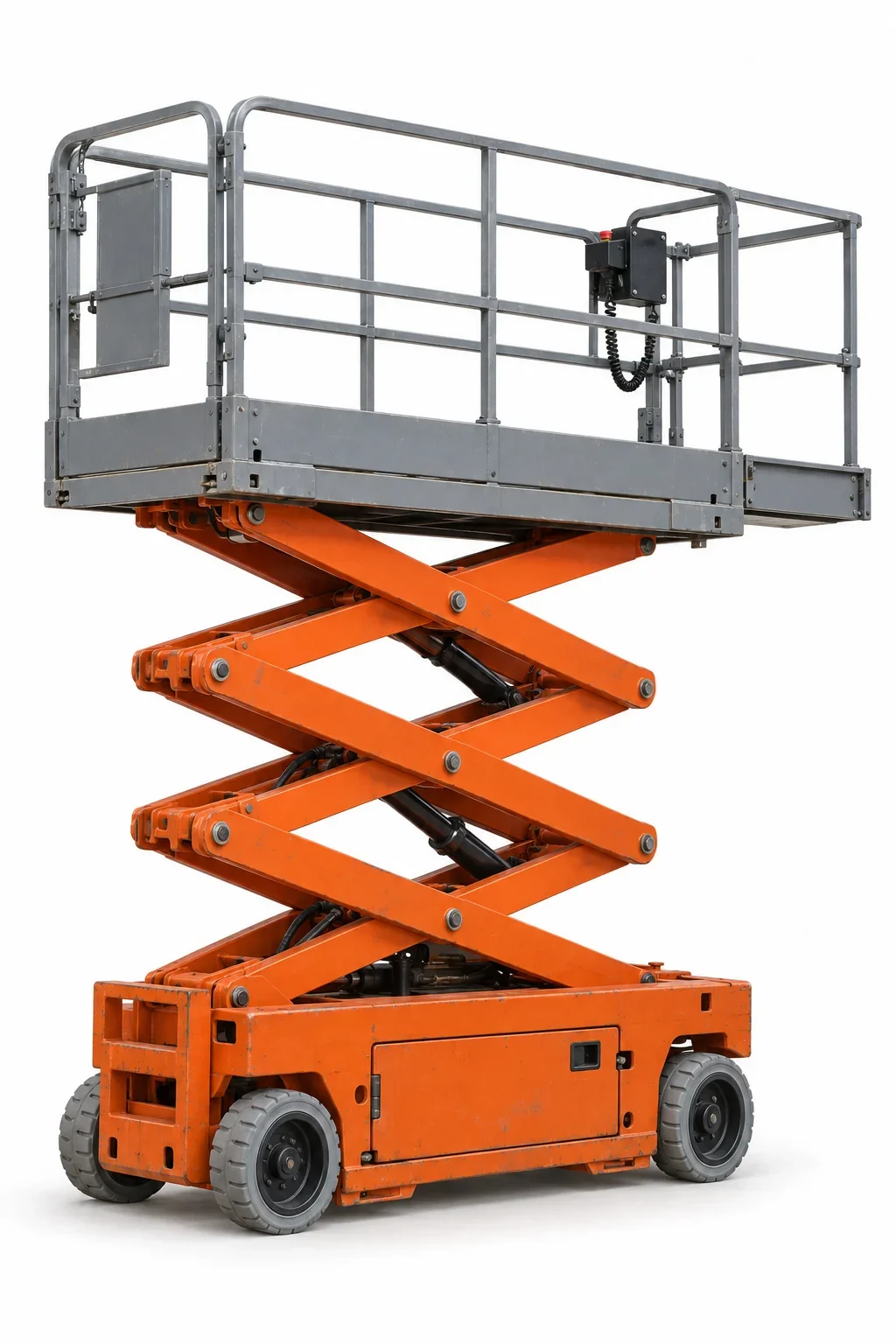
- Taller slab units: reach warehouse and hangar-style interiors while remaining compact. Wider decks help with duct runs and cable tray work but require wider aisles.
Electric vs. outdoor needs
Electric scissor lifts are optimized for smooth, level surfaces. If the task shifts outdoors onto sandy or rain-softened ground, move to /rough-terrain-scissor-lift-rental/ for four-wheel-drive platforms and higher clearance.
Pensacola applications
- Healthcare and clean environments requiring quiet operation.
- Industrial sites where indoor bays open to the coast and corrosion protection is a concern.
- Inventory signage, fire protection service, and conduit work in local distribution buildings.
Planning details to have ready
Working height, platform capacity needs, doorway and elevator dimensions, and any exposure to coastal air inside loading zones. These details guide whether a narrow or wide slab machine fits without floor or finish issues.